1. Make sure the site is released
Cleanup does not start while police or investigators are still working. The owner can confirm the release with the agency.
Scott City, MO · Scott County
Was a home in Scott City used to make or heavily use meth? Call (877) 812-4220. A cleanup team can explain residue testing, removal of contaminated materials, cleaning and retesting.
If anyone is in danger, call 911 first. For a suicide crisis, call or text 988.
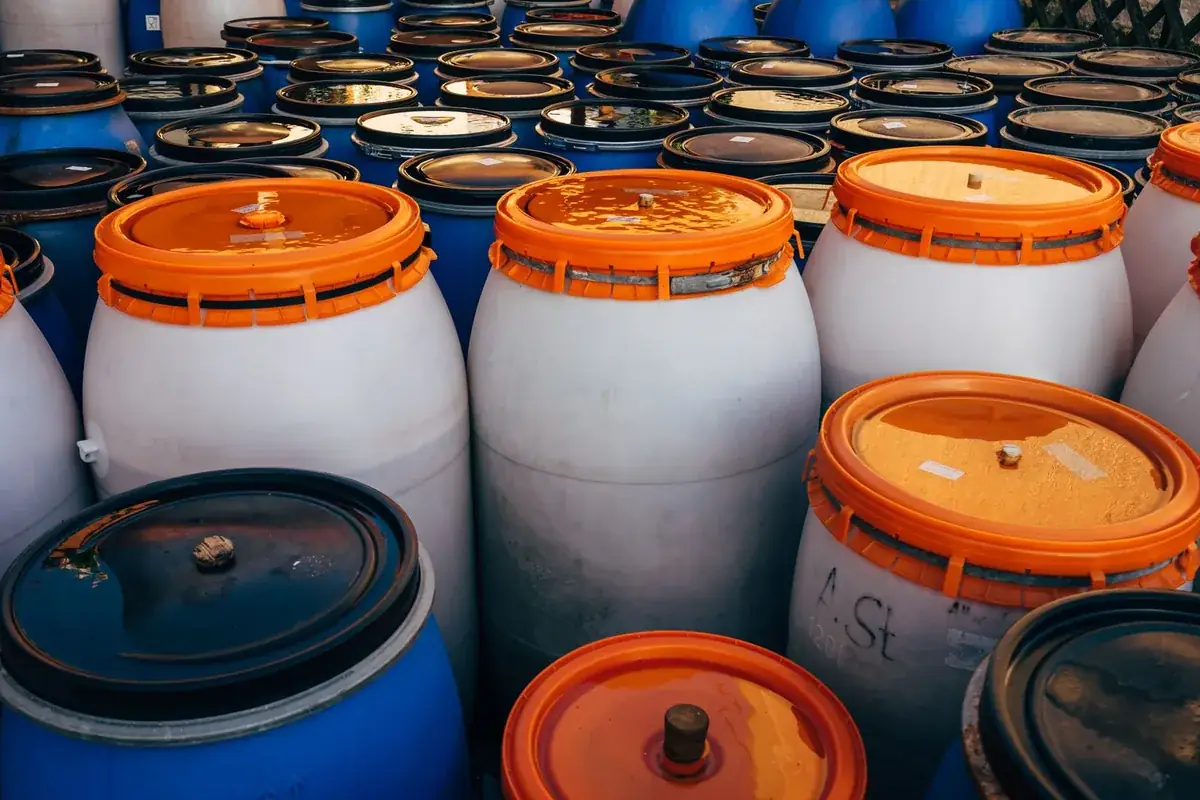
Meth lab cleanup differs from ordinary cleaning because the hazard is chemical, not just dirt. Residue can be absorbed through skin, breathed in or carried on hands to the mouth.
If you own a Scott City property in Scott County and its history is unclear, start with a call to Scott City Biohazard Cleanup Help. Crews can explain what residue testing shows and what steps may follow.
The vacancy rate in Scott County is only about 9%, so most meth cleanup calls come from occupied homes, rentals and recent move-outs. About 66% of homes in Scott City were built before 1980, and older drywall, carpet and trim can soak up residue that is hard to remove.
The work often covers:
Cleanup does not start while police or investigators are still working. The owner can confirm the release with the agency.
Soft or porous materials that hold residue come out first. Hard surfaces stay for cleaning.
Contaminated items are packed as waste. Surfaces and air systems are cleaned in a set order, top to bottom.
After cleaning, new samples are taken. The owner receives the information that buyers, lenders and officials often ask for.
Most drug lab & meth lab cleanup jobs in Scott City, MO cost between $1,500 and $120,000, based on published cost guides.
Hazardous waste handling is part of the price. Contaminated materials and leftover chemicals may need regulated disposal.
| Type of job | Typical range |
|---|---|
| Moderate contamination | $10,000 - $25,000 |
| Typical average | $15,000 - $20,000 |
| Published span | $5,000 - $120,000+ |
| Drug remediation projects | $5,000 - $25,000+ |
Estimates only, not a quote. Sources: PushLeads, Drug biohazard cleanup cost guide, BioCleaners Directory, Biohazard cleanup company pricing guide. Price drivers include whether it was smoking or production, size of the home, air system contamination, testing before and after. Call (877) 812-4220 to talk through the job.
No. Keep children and pets out of the affected areas until cleanup and retesting are done. They are closest to floors and furniture and are most at risk from residue. Find another place to stay if you can.
Owners usually carry the cost of cleaning their own property. For rentals, the lease and local law decide who is responsible, and a landlord, an attorney or a tenant rights group can say. Renters policies often cover a tenant's belongings rather than the building.
It often takes several days to more than a week, plus time for lab results. Testing happens before and after the work. If an area does not pass, it is cleaned and tested again. A local team can give a realistic schedule once it has seen the property.
Signs can include chemical odors, stained walls or counters, burn marks, odd equipment and a history shared by police, neighbors or a prior owner. None of these is proof. Only testing can show whether residue is present. The local health department can point to next steps.
Possible signs include strong chemical or ammonia-like smells, stained or discolored walls, burn marks, unusual equipment and unexplained headaches or irritation. These are not proof on their own. Testing is the only way to confirm residue.
In many cases, yes. The usual path is testing, removal of contaminated porous materials, thorough cleaning of surfaces and air systems, and retesting. How much work is needed depends on the extent of the contamination, and testing is what shows that.
Residue is often invisible. Testing is how an owner finds out.
Call (877) 812-4220